
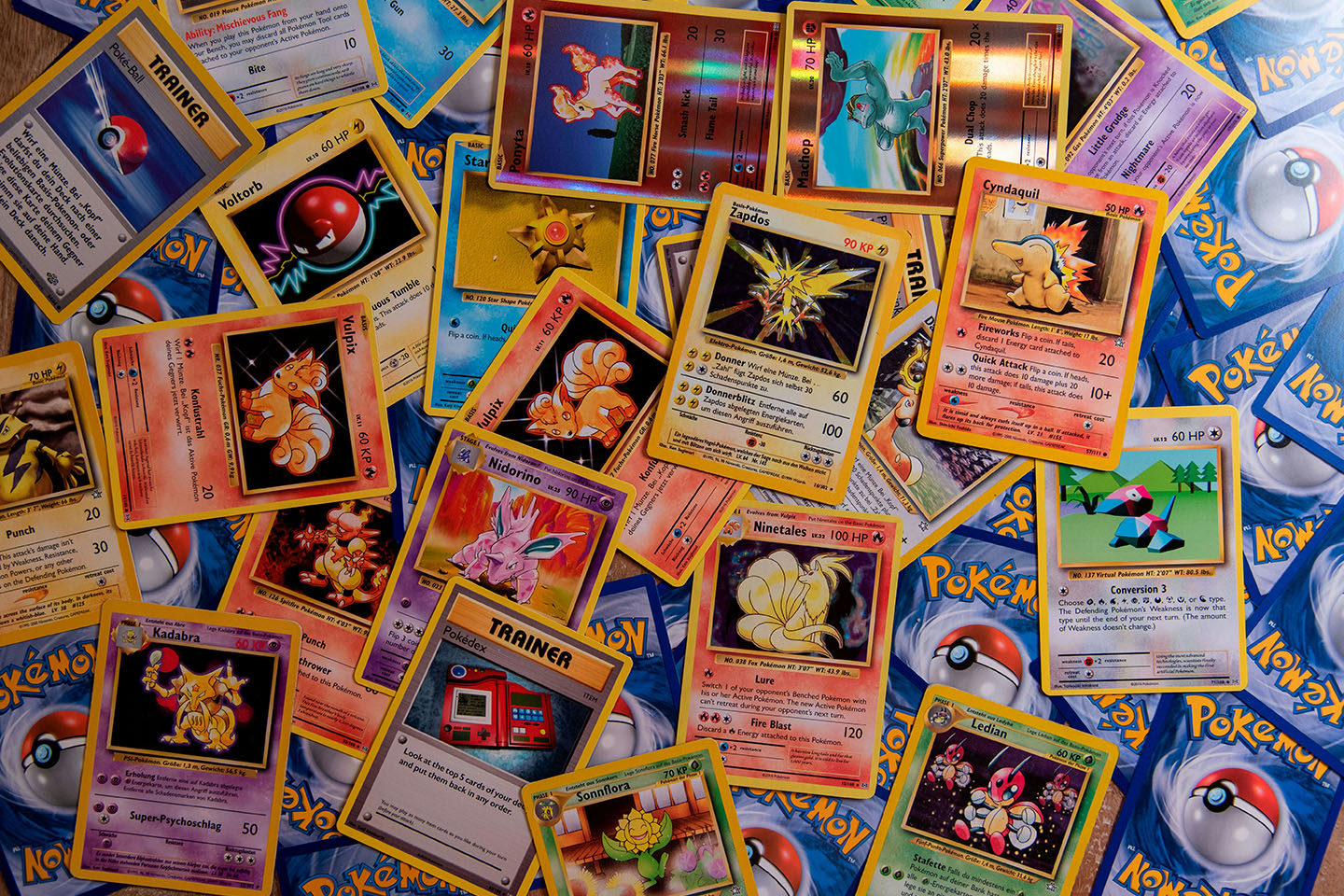
Investor interest in alternative asset classes continues to rise, and the trading card market is one we see undergoing a major transition from a hobbyist hideout to a multibillion-dollar opportunity. This transformation has garnered notice from companies across industries.
At Mizuho, we estimate the U.S. trading card market represents a $10 billion to $20 billion opportunity, with annual sales exceeding $1 billion at Target and Walmart. At Costco, management has indicated that trading cards generate some of the highest gross margins across its product assortment.
Interest has also expanded beyond traditional categories like baseball and other sports-related cards into Pokémon, Magic: The Gathering, Star Wars, and Disney character cards. At Hasbro, management described trading cards as the “hottest category in all of toys and games.” At eBay, management has referenced a “long runway for secular growth” against the backdrop of accelerating sales across several categories.
Like many investments that attract outsized fan attention, the risk of a boom-and-bust cycle for trading cards is real, but we don’t believe the dynamics that felled Labubus or squishy dumplings, among other recent fads, are in play for trading cards at this time.
A growing collector base and multigenerational appeal gives this category an evergreen growth aspect, in our view, and we believe three key features of the trading card market – nostalgia, innovation and a diverse ecosystem – make this is a unique opportunity for enthusiasts, hobbyists, and investors alike.
The appeal of nostalgia
For many collectors, trading cards are a connection to childhood. Millennials are among the collectors drawn by nostalgia and, as they’ve moved into their higher-earning years, they have more disposable income to spend on the hobbies from their younger years. A case in point: The average Magic: The Gathering player is 35 years old, according to Hasbro.
As longstanding franchises continue to attract established collectors, they are also introducing new audiences to the hobby. Pokémon, for example, appeals to adults who grew up with the franchise as well as children discovering it for the first time. Sports cards benefit from a similar dynamic, with new athletes and memorable performances creating fresh reasons to collect.
This multigenerational appeal is one reason we believe trading cards have more staying power than many collectibles driven primarily by short-lived trends. New collectors enter the market even as established enthusiasts deepen their participation.
Innovation: Reinventing the collector experience
Innovative products, platforms, and real-time events have transformed collecting.
On platforms such as Whatnot and eBay, collectors can participate in livestreamed breaks, where hosts open sealed boxes of cards while viewers purchase spots or shares in the contents. The format combines shopping, entertainment, and the thrill of the chase. Collectors can also participate without necessarily buying an entire box themselves. To fund its expansion, Whatnot raised $545 million at a reported $20 billion valuation earlier this year.
Manufacturers are finding new ways to extend engagement beyond the initial sale. Fanatics, which acquired Topps in 2022, has helped introduce programs connecting cards to real-world sporting achievements. Through Topps' MVP Buyback program, for example, collectors can exchange eligible cards of award-winning players for credit toward new purchases.
Live experiences are another engagement engine. Fanatics Fest, which brings together cards, brands and athletes, drew more than 200,000 attendees in 2026, up from 125,000 in 2025.
Supporting industries such as grading have also soared. PSA is one of the industry’s leading grading services. In 2025, the company graded more than 19 million cards, up from just 2 million five years earlier. In 2026, PSA announced a $200 million investment to expand its operations, technology and workforce to meet demand.
Innovation has also expanded the retail experience, with new ways to buy cards and pursue scarcity. Hanger packs, which are larger than regular packs, are typically sold as an entry-level product, with no guarantee of autograph or relic cards. At the higher end, there are hobby boxes geared to dedicated collectors. These boxes, which usually come with a guarantee of autograph or relic cards – some with one per box or multiple per box – have premium price points of $100-$1,000 or more.
Manufacturers have also learned from the past how to better manage scarcity. During the junk wax era of the late 1980s and early 1990s, overproduction undermined scarcity and retail value.
Today, manufacturers offer accessible products alongside limited parallels, individually numbered editions and one-of-one cards. This allows casual collectors to participate at accessible price points while creating the possibility of discovering something a product that is exclusive or rare.
A diverse, expanding ecosystem
Perhaps the clearest indication of the market's evolution is the range of businesses now participating in it. For investors, there’s opportunity across industries and multiple entry points. Retailers are benefiting from product launches and repeat purchases; manufacturers and rights holders from licensing and product design; marketplaces from transactions and related services, and authentication firms from grading and verification.
Even cryptocurrency platforms are taking an interest. Coinbase signaled plans in 2026 to let users open trading-card packs on their phones, with each pull backed by a physical card that could be stored or shipped. The concept points to another potential convergence of digital commerce, physical assets, and collecting.
A market with staying power
For trading cards, we expect momentum to continue into 2027 and beyond, supported by new releases, digital innovation, and in-person experiences. Industry watchers are now considering trading cards as an alternative asset class.
Still, risks remain. Speculative pricing, counterfeit cards, oversupply and changing consumer tastes could all undermine parts of the market, and participation doesn’t guarantee success for every business. We have seen some froth at the high end of the market - in 2026, a PSA-graded 10 Pikachu Illustrator card sold for $16.5 million, setting a trading card auction record – but we don’t believe it’s a pervasive issue.
For investors, the opportunity isn’t only that people are willing to pay extraordinary prices for rare cards, but rather than an increasingly sophisticated ecosystem that supports the business of collecting continues to create new pathways for growth and participation.